
 EN
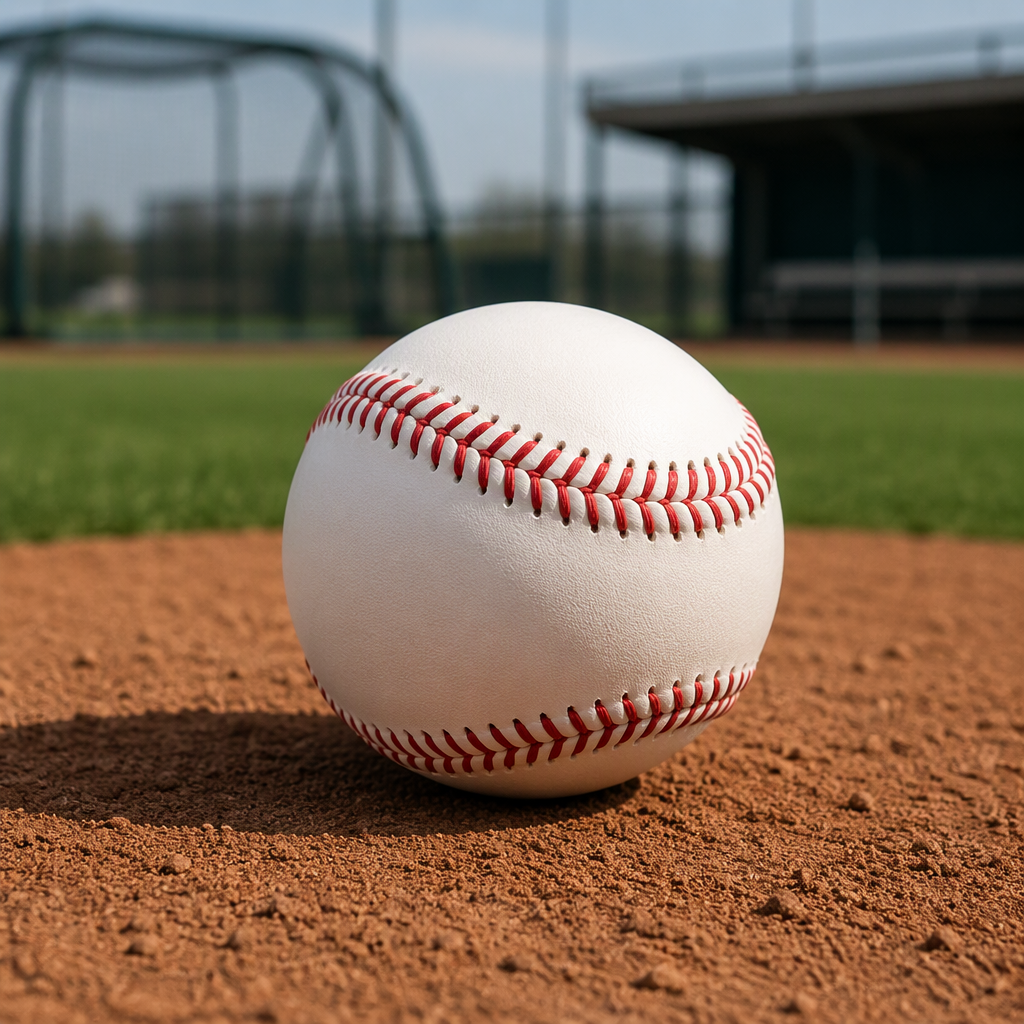
Baseball Cover Materials: Training, Game & Promo Guide
Baseball cover materials determine how a ball feels in the hand, responds to a bat, resists wear, and communicates value to the buyer. Genuine leather, synthetic leather, coated fabrics, and rubberized options can all serve legitimate markets, but they should not be specified interchangeably. A school training ball has a different job from a competition ball or a promotional product. Selecting baseball cover materials by appearance alone can create a mismatch between price, performance, and customer expectation.
Choosing baseball cover materials by use case
Identify whether the ball will be used for organized games, repetitive drills, batting practice, coaching demonstrations, or branding giveaways. Choosing baseball cover materials for this use case helps align feel, durability, and budget. Consider the playing surface, weather, storage, cleaning, and expected impact level. Training programs may value toughness and consistent supply, while game-oriented buyers may prioritize touch, stitch accuracy, and compliance with a defined specification.
Promotional products often spend more time in display, packaging, and casual handling than in play. Baseball cover materials for promotional use should balance logo quality with safe handling. They may need a clean logo surface and attractive color, but the cover should still be safe and securely assembled. Explain the intended use to the factory before selecting a material grade.
Comparing baseball cover materials
Genuine leather
Leather can provide a familiar hand feel and a premium product story. Among baseball cover materials, leather is often selected when tactile quality is central. Its natural variation requires grading, thickness control, and color consistency. Buyers should define acceptable grain marks, scars, shade variation, and surface treatment. Leather may require more careful storage and care than a synthetic alternative.
Synthetic leather
PU and other synthetic covers offer repeatable color, scalable supply, and flexible price positioning. These baseball cover materials can support repeat training orders. Texture, backing, coating, and thickness can be adjusted for training or retail products. Confirm resistance to cracking, peeling, and water exposure, especially when the material will be used outdoors or stored in variable climates.
Coated fabric and rubberized surfaces
Coated fabrics can provide durability and economical production for practice programs. They are baseball cover materials worth testing when rough handling is expected. Rubberized finishes may tolerate rough handling and make cleaning straightforward. Their touch, weight, print compatibility, and heat behavior should be tested on the complete ball. A robust material is useful only if the ball still has consistent shape and acceptable response.
How baseball cover materials affect construction
Material choice cannot be separated from winding, core, stitching, and seam treatment. Baseball cover materials must be approved together with the complete construction. A thick cover may require different thread tension and needle selection. A soft material can wrinkle if the carcass is too rigid or the panels are cut inaccurately. Inspect material stretch, edge quality, thickness, and bonding before approving the final pattern.
Ask the supplier for a finished-ball sample in the actual material and color. Testing baseball cover materials on a finished ball reveals issues that swatches miss. Press, rotate, and handle it at the intended pressure. Check panel alignment, stitch depth, seam comfort, weight, and surface response. Flat swatches help compare color and texture but cannot show the effect of spherical tension.
Testing baseball cover materials for durability and weather
For outdoor or school programs, run impact and abrasion cycles on the expected surface. These tests show whether baseball cover materials can withstand the planned environment. Include moisture exposure and drying if the ball may encounter rain or damp storage. Inspect cracking, peeling, color transfer, scuffing, seam wear, and loss of grip. For game products, add bat-impact and shape-retention tests suited to the specification.
Cleaning tests should use the buyer’s planned method. Harsh chemicals can damage some baseball cover materials, while plain water may not remove field dirt. Put a simple care instruction in the product file and packaging if customers need it.
Branding with baseball cover materials
Cover texture and porosity influence print sharpness, stamping, and logo adhesion. Baseball cover materials for promotional programs need decoration testing on the final surface. Test the decoration on the final material and inspect it after impact and wiping. Promotional buyers may need bright color or a large logo, but the print should not create a hard patch or interfere with safe handling.
Define visual tolerances for shade, grain, coating, wrinkles, scratches, and print registration. This keeps baseball cover materials consistent across repeat lots. Retain a master ball or swatch for future orders. A new material lot or supplier should not be accepted solely because the catalog description is the same.
Cost planning for baseball cover materials
Compare total value: material price, yield, cutting loss, stitching labor, inspection, expected replacement rate, and customer positioning. Cost comparisons for baseball cover materials should include replacement risk. A premium cover may justify a higher retail price, while a school program may gain more from a durable synthetic option and stable availability. Ask for samples and test results before comparing unit quotations.
Conclusion
The best baseball cover materials are selected by the ball’s real job, not by a material name alone. Compare feel, weather resistance, abrasion, stitch compatibility, branding, cleaning, and cost on finished samples. By matching baseball cover materials to training, game, or promotional use, B2B buyers can create a product that meets expectations and remains profitable over repeat orders.
Questions for reviewing baseball cover materials
Ask the supplier for material thickness tolerance, coating adhesion data, abrasion results, colorfastness, and storage recommendations. These checks make baseball cover materials easier to specify. Compare a new sample with a used sample after the agreed cycles. Inspect the cover near stitches, seams, and high-impact zones because these areas reveal weaknesses quickly. A structured review lets buyers explain why one of the baseball cover materials is recommended for a particular program and gives the factory a clear benchmark for future lots.