
 EN
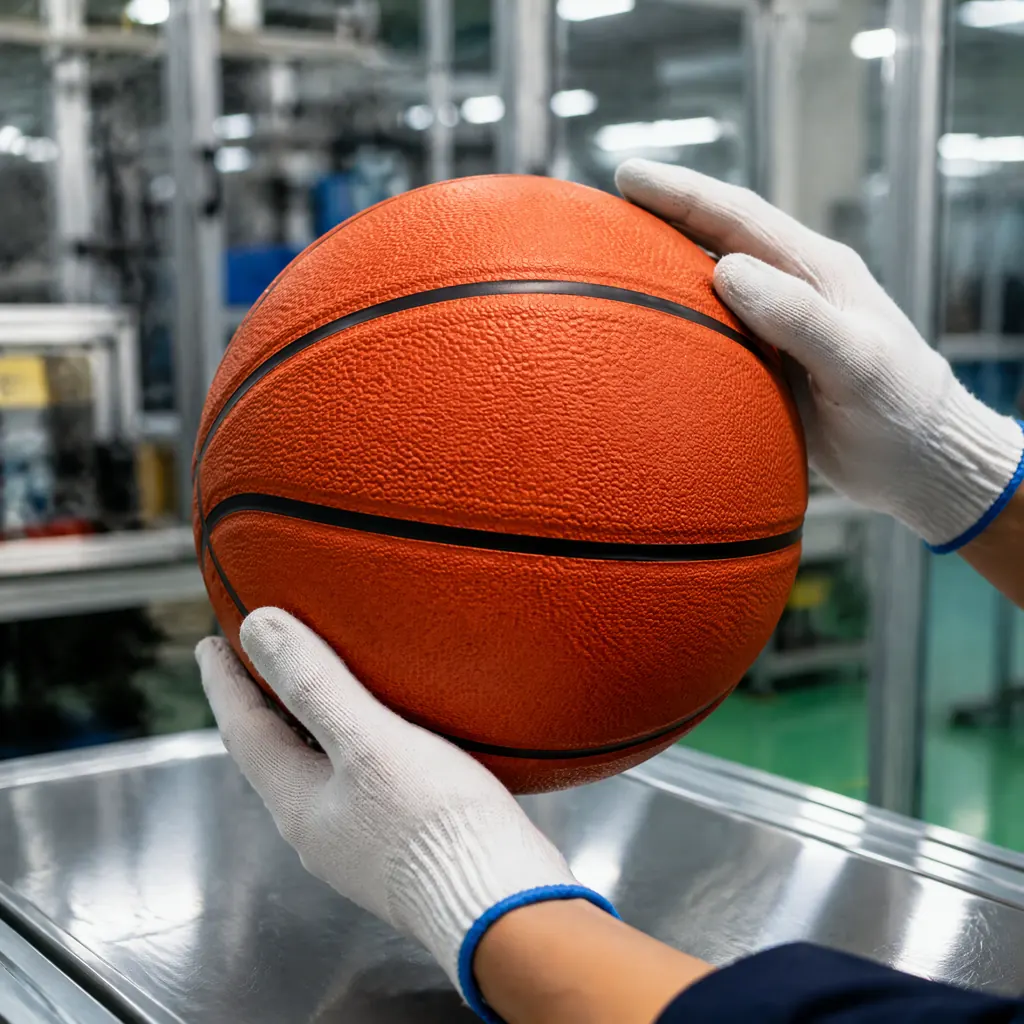
Basketball Factory Inspection: A Buyer's Checklist
Basketball factory inspection should confirm more than color and appearance. A professional buyer needs evidence that the cover, panels, bladder, valve, grooves, inflation, packaging, and shipment quantity match the approved specification. A basketball can look acceptable in a quick visual review and still create complaints if it loses air, feels uneven, has inconsistent texture, or arrives with surface damage. A structured inspection checklist helps purchasing teams identify defects before goods leave the factory.
The right inspection depth depends on the product type and order risk. A basic training ball, a premium indoor ball, and an outdoor rubber model may require different material and performance checks. Buyers should define the intended court, user group, cover material, construction method, artwork, packing method, and acceptance limits before the factory starts production. This guide explains how to organize a practical basketball factory inspection for samples, bulk production, and final shipment approval.
Start with the approved basketball specification
Every basketball factory inspection should begin with a controlled reference. The reference may include an approved sample, technical drawing, artwork file, packing instruction, purchase order, and written quality requirements. Confirm that the factory team is using the latest version before checking production. Old artwork, an earlier cover material, or an unapproved valve can create a mismatch even when the finished ball appears well made. Using the same reference during each basketball factory inspection also makes supplier discussions more objective.
Record the key attributes in a simple inspection sheet. Include ball size, target weight, circumference, cover material, surface texture, groove design, panel construction, color, logo placement, valve position, inflation condition, carton quantity, and labeling. Where a tolerance is important, write the acceptable range rather than using vague terms such as high quality or premium feel. If a value is not defined, mark it for buyer approval instead of inventing a limit during inspection.
Incoming material and component checks
Before assembly, inspect the materials that will determine the basketball's final performance. Review cover rolls, rubber sheets, composite panels, microfiber material, backing layers, ink, adhesive, thread, bladders, valves, and cartons. Look for color variation, contamination, surface marks, thickness differences, weak bonding areas, and packaging damage. Material identification should be traceable to the production order so that a problem can be isolated if several basketball models are made in the same facility.
A basketball factory inspection at the incoming stage can also compare material samples with the approved standard. Check texture under consistent lighting and confirm that the cover has the expected hand feel. For printed or custom balls, review color references and artwork placement before mass assembly. Do not approve a substitute material merely because it has a similar appearance. A different backing, coating, or adhesive may change grip, durability, odor, bonding, or cleaning response.
Panel, seam, and surface inspection
Inspect the assembled cover during the basketball factory inspection for panel alignment, seam continuity, groove shape, surface texture, wrinkles, bubbles, scratches, color blocks, and printing accuracy. The panel edges should meet cleanly without obvious steps or exposed adhesive. Grooves should be continuous and consistent with the approved sample. On a basketball with a pebble or textured finish, compare several areas around the ball rather than judging only the most visible panel. This part of basketball quality control should identify both appearance defects and contact-area defects.
Surface inspection should reflect the product's intended use. A premium indoor basketball may require a more consistent tactile finish and refined appearance. An outdoor model may prioritize abrasion resistance and stable texture after handling. In either case, record defects by type and location. A small cosmetic mark in a hidden area may have a different commercial impact from a damaged logo, uneven groove, open seam, or slippery patch on a primary contact area.
Shape, weight, and inflation checks
Basketball shape affects bounce, handling, and customer perception. During a basketball factory inspection, inflate samples using a consistent procedure and allow them to settle before checking them. Examine roundness from several orientations and look for flat areas, bulges, panel distortion, or an uneven valve area. Measure weight and circumference with suitable equipment, using the same method for all samples in the lot. Record these results on the basketball inspection checklist so the buyer can compare lots rather than relying on memory.
Inflation checks should include valve security and air retention. Confirm that the needle enters smoothly, the valve does not leak during inflation, and the valve area is not visibly recessed or damaged. Where the purchase specification requires an air-retention check, document the starting condition, storage period, temperature, and measurement method. Avoid reporting unsupported performance numbers. The inspection record should show what was tested, how it was tested, and whether the sample met the agreed requirement. A basketball factory inspection should treat valve and air-retention findings as functional issues, not minor cosmetic defects.
Grip, bounce, and use-condition checks
A visual inspection cannot fully confirm playing performance. Include a controlled handling review during the basketball factory inspection for grip, fingertip control, passing, catching, and dribbling. Use the intended court surface when possible. Compare the production sample with the approved reference under similar inflation and lighting. For indoor balls, review the cover after clean handling and light perspiration. For outdoor balls, include representative dust or rough-surface exposure when the product brief requires it. These steps connect the basketball inspection checklist with actual use rather than appearance alone.
Bounce evaluation should also be consistent. Use the same inflation method, release position, surface, and observation process for each sample. Note unusual rebound behavior, visible wobble, delayed response, or sound changes that may indicate an internal or shape problem. These checks are not a substitute for a formal laboratory test, but they help a buyer identify obvious differences between the approved sample and the production lot before shipment.
Artwork, logo, and customization review
Custom basketball orders require a separate artwork inspection. Check logo size, position, orientation, color, edge sharpness, registration, and resistance to normal handling. Compare the first production pieces with the approved artwork proof, not only with a digital image on a screen. A logo can appear correctly placed on one panel and shift on another if the panel position or printing fixture changes.
Inspect whether printing, coating, or embossing changes the surface feel. Customization should not create raised ink, peeling edges, blocked grooves, sticky areas, or visible color transfer under the agreed handling conditions. Confirm that cartons, labels, barcodes, and inner packing carry the correct model and order information. Mixed artwork or mixed sizes in one carton should be treated as a serious traceability issue.
Packaging and shipment release checks
Before shipment, complete a pre-shipment basketball factory inspection of the individual packing, carton strength, quantity, labels, accessories, and loading condition. Packaging should protect the cover from compression marks, moisture, dirt, and friction during transport. Confirm that the basketballs are packed according to the approved instruction and that the outer cartons correspond to the packing list. Photograph representative cartons and any visible damage so the record remains useful after the goods leave the factory.
Shipment release should follow a documented decision. Separate acceptable units, rework units, and rejected units. Record defect counts, sample quantity, corrective actions, and the responsible factory contact. If a lot does not meet the agreed requirement, do not rely on a verbal promise that the next shipment will be better. Request a corrective action, re-inspect the affected area, and update the approval record before authorizing shipment.
Basketball factory inspection checklist
- Confirm the latest approved sample, specification, artwork, and packing instruction before the basketball factory inspection.
- Verify cover material, backing, bladder, valve, ink, adhesive, and carton traceability.
- Inspect panel alignment, seams, grooves, texture, color, graphics, and surface defects.
- Check inflated shape, weight, circumference, valve condition, and agreed air retention.
- Review grip, handling, bounce, and cleaning response under representative conditions.
- Separate accepted, rework, and rejected units and document the release decision.
Conclusion
A reliable basketball factory inspection connects the approved specification with what is actually produced and packed. It covers materials, construction, surface feel, shape, inflation, customization, packaging, and shipment records rather than focusing on appearance alone. For B2B buyers, the most useful basketball quality control system is repeatable: use the same reference, methods, sample logic, defect categories, and release rules across future orders. This approach makes quality discussions clearer, reduces avoidable rework, and gives distributors stronger evidence when selecting a basketball manufacturing partner.