
 EN
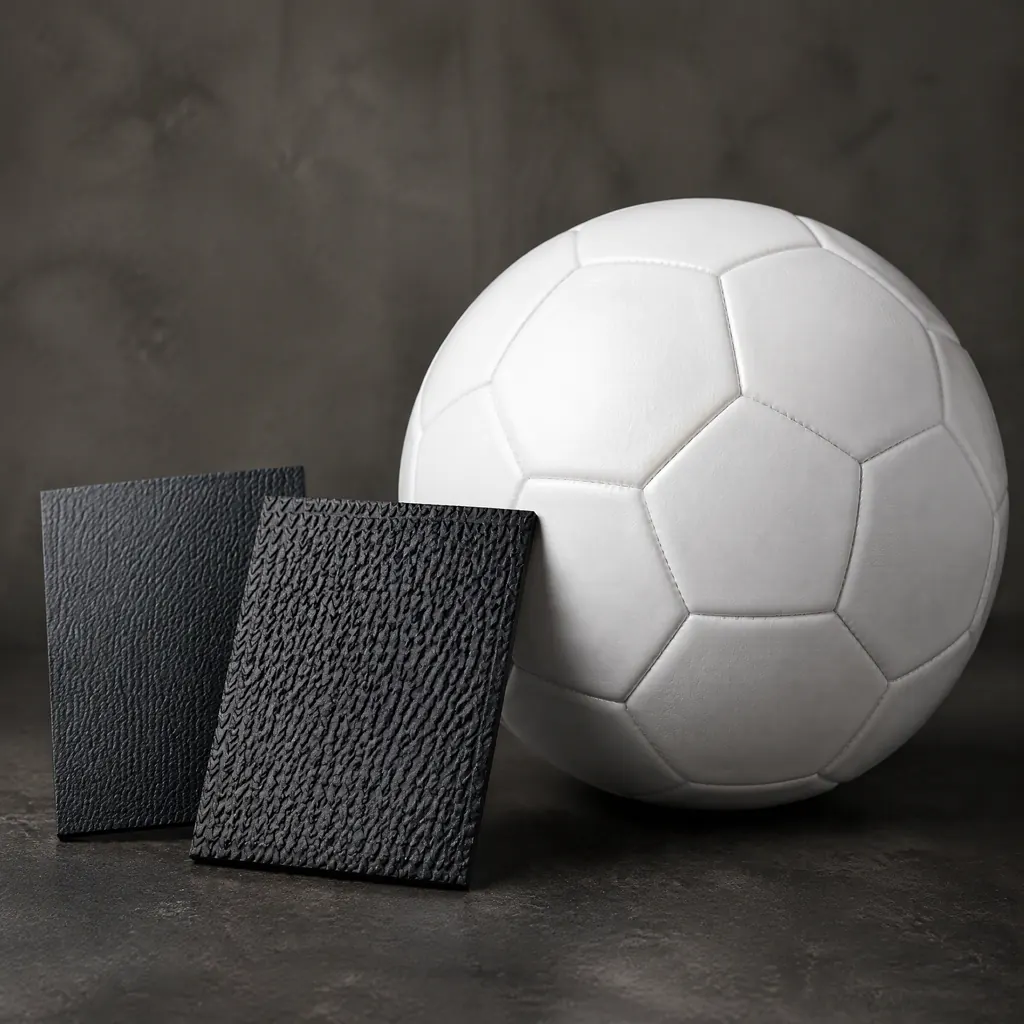
When a buyer compares soccer ball materials, the right question is not simply which cover feels best in a showroom. The better question is which construction fits the playing surface, climate, training intensity, target price, and quality requirements of the final user. A PU soccer ball may be selected for a soft touch and a refined match appearance, while a TPU soccer ball may be preferred for demanding training environments and easier maintenance. The best B2B soccer ball sourcing decision connects material choice with the complete product specification, not with one isolated feature.
For importers and distributors, the material decision also affects sampling, production consistency, packaging, after-sales expectations, and product positioning. A capable soccer ball manufacturer should therefore explain how the cover, backing layers, panels, bladder, bonding or stitching method, and surface finish work together. This guide provides a practical framework for comparing soccer ball materials before approving a sample or placing a bulk order.
Start With the Playing Environment
The first step in selecting soccer ball materials is to define where and how the ball will be used. Indoor training, natural grass, artificial turf, school grounds, and hard outdoor surfaces place different demands on the cover. A ball intended for regular turf sessions may need a surface that remains easy to clean and stable after repeated contact with abrasive ground. A match-oriented model may place more emphasis on touch, flight consistency, finish quality, and visual presentation.
Climate also matters. In a wet market, buyers should ask how the outer finish behaves after exposure to moisture and how easily the ball can be dried and maintained. In a hot region, storage and transport conditions should be discussed with the factory because heat, humidity, and long shipping periods can affect materials, adhesives, packaging, and inflation management. These points do not make one material universally better than another. They show why soccer ball materials must be matched to a defined use case.
PU Soccer Ball Materials: Touch and Finish
PU is widely considered when buyers want a softer touch, a controlled surface feel, and a premium visual finish. Depending on the formulation, thickness, backing, texture, and production method, a PU soccer ball can be developed for training, club, promotional, or match-oriented programs. The word PU alone, however, does not describe the complete performance of the finished ball. Two products that both use PU may differ because of their surface grain, foam layer, panel structure, bladder, and assembly quality.
For B2B sourcing, buyers should evaluate more than fingertip feel. Check surface consistency across panels, print clarity after handling, and shape after inflation. Ask the factory which cover properties are controlled during production, then compare the sample before and after a documented use trial.
PU can suit programs built around comfort, refined appearance, and a premium training or match feel. In rough outdoor environments, specify the construction carefully and judge the full sample rather than the material label alone.
TPU Soccer Ball Materials: Practicality and Maintenance
TPU is often considered for soccer programs that prioritize practical maintenance, surface resilience, and consistent appearance across regular use. A TPU soccer ball can be configured with different textures and backing structures, so buyers should avoid treating all TPU products as identical. Surface grain, thickness, panel construction, bladder selection, and the quality of bonding or stitching can materially change the final result.
TPU may be useful for training programs, school purchasing, recreational distribution, and outdoor use where the ball needs to be wiped, stored, and returned to service repeatedly. Buyers should still confirm the intended application because a material that performs well for one training environment may not be the best choice for a premium match product. Ask for a sample that matches the proposed bulk specification instead of evaluating a visually similar sample made with a different construction.
During review, assess grip with dry and slightly damp hands, inspect texture under consistent lighting, and check the response to normal cleaning. The goal is to match practical characteristics with the customer program, while the supplier explains both benefits and limitations.
Compare the Complete Construction, Not Only the Cover
The cover is important, but soccer ball materials cannot be evaluated in isolation. Panel geometry influences how the ball is assembled and how its surface presents after production. The backing layer can affect feel and structural support. The bladder influences inflation behavior and touch. Bonding, stitching, or a hybrid assembly method affects the relationship between panels and the internal structure. A buyer who compares only the outer material may miss the real cause of a performance difference.
For a fair sample review, request a specification sheet that names the cover material, surface finish, panel count or design, assembly method, bladder type, size, weight target, and printing process. The factory should also clarify which items are fixed and which can be adjusted for a custom order. If the product will be sold under a private label, confirm how artwork changes may affect panel placement, seam visibility, and production approval.
A useful comparison table should record touch, dry grip, damp grip, visual finish, cleaning response, shape retention after handling, inflation behavior, and packaging condition. Use the same inspection sequence for every sample. This makes the final choice more defensible when several soccer ball materials appear similar during a quick showroom review.
Quality Checks Before a B2B Order
A B2B buyer should convert the product brief into measurable inspection points before approving production. Start with appearance: check color consistency, panel alignment, print registration, surface uniformity, and visible marks. Continue with physical checks such as size, weight, roundness, inflation retention, valve condition, and seam or bonding quality. The exact acceptance limits should be agreed in the purchase specification and should not be invented after production begins.
Ask how samples are approved, reference samples are stored, and changes are communicated. A signed or digitally approved reference sample helps both parties compare the bulk order against the same standard. Larger programs may also define checks for cartons, product count, labels, barcodes, and packaging protection.
Quality control is not only a final inspection. Incoming materials, panel cutting, printing, assembly, inflation, finishing, and packing all create opportunities to prevent defects. Ask which records can be shared and which checks apply to every unit or to a sample. Clear documentation keeps all parties aligned.
Build a Sourcing Decision That Fits the Market
The final choice among soccer ball materials should connect technical fit with commercial positioning. A premium club product may need a refined touch and finish. A school or community program may place more weight on easy maintenance, repeat availability, and practical cost. A distributor serving several markets may need two or more constructions rather than one universal model. Segmenting the range can make the catalog clearer and reduce the temptation to force one material into every use case.
When comparing quotations, review sample development, artwork, packaging, setup requirements, minimum order quantity, lead time, inspection arrangements, replacement policy, and shipping configuration in addition to unit price. A lower quotation may change once these supporting requirements are included.
A strong B2B soccer ball sourcing process ends with a written decision: selected material, complete construction, intended use, approved sample, inspection points, packaging details, and change-control process. This record gives the soccer ball manufacturer a clear production brief and gives the buyer a practical reference for future replenishment orders.
Conclusion: Choose the Material as Part of the Product System
PU and TPU can both be appropriate soccer ball materials when they are matched to the right application and supported by a complete construction plan. The better buying decision comes from comparing touch, surface behavior, maintenance, assembly, bladder selection, quality controls, and total commercial requirements together. Material names are useful starting points, but they are not substitutes for sample testing and documented specifications.
For importers, clubs, schools, and distributors, the safest path is to define the use case first, compare matched samples second, and approve the full specification before bulk production. Working with a transparent soccer ball manufacturer can make this process easier by clarifying what the material does, what the factory controls, and what the buyer should verify independently.
B2B Inquiry:
Need help comparing soccer ball materials for a custom or wholesale program? Contact MOZURU with your intended use, target market, and specification requirements.
Table of Contents
- Start With the Playing Environment
- PU Soccer Ball Materials: Touch and Finish
- TPU Soccer Ball Materials: Practicality and Maintenance
- Compare the Complete Construction, Not Only the Cover
- Quality Checks Before a B2B Order
- Build a Sourcing Decision That Fits the Market
- Conclusion: Choose the Material as Part of the Product System