
 EN
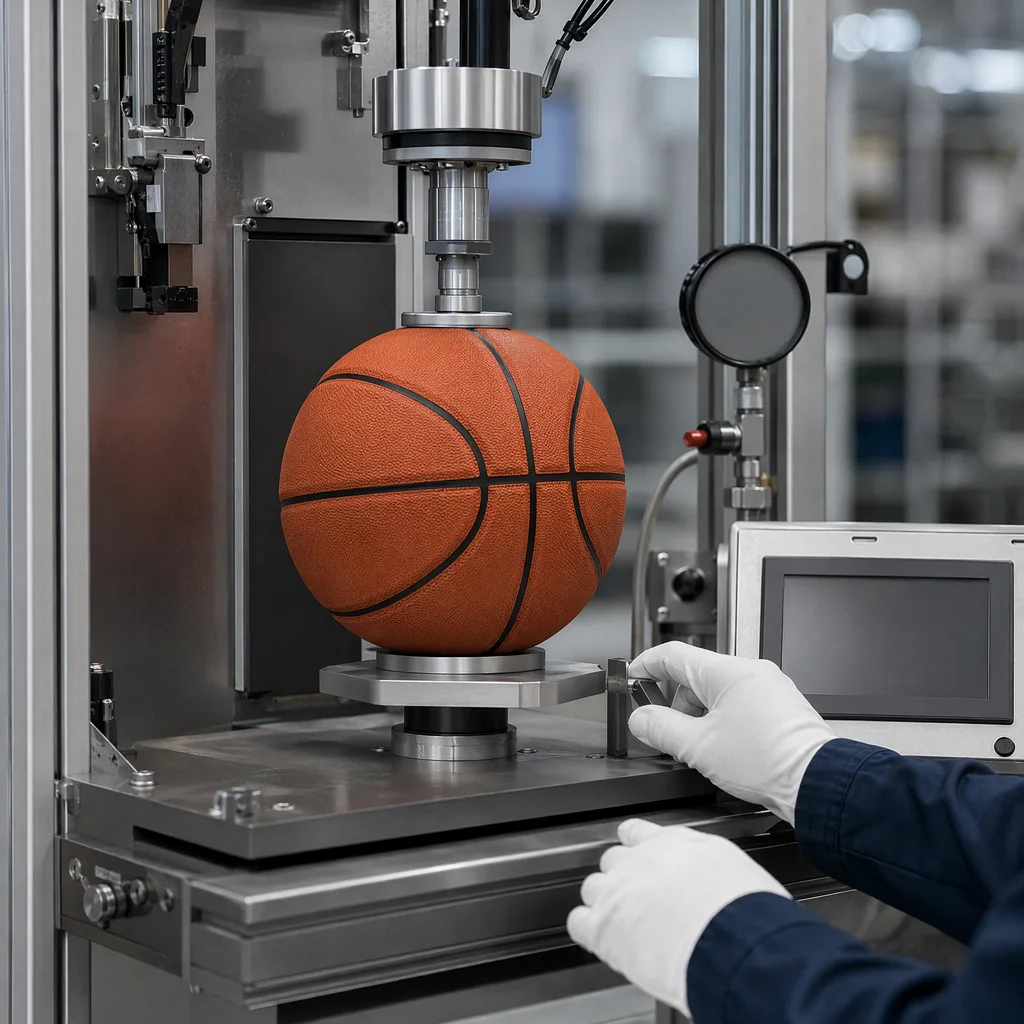
How Basketball Inner Construction Influences Rebound and Shape Retention
Basketball inner construction is the hidden system that determines how a ball holds air, returns energy, and remains round after repeated play. Buyers often concentrate on the cover because it is visible, but the bladder, winding, carcass, valve, and bonding layers work together beneath it. A well-specified basketball inner construction gives players a predictable rebound and gives distributors a product that remains consistent from the first shipment to the next reorder.
The main layers inside a basketball
The bladder stores the air and provides the first source of elasticity. Butyl bladders are commonly selected for dependable air retention, while other compounds may be used to adjust feel or cost. Around the bladder, winding or carcass layers help hold a spherical shape and distribute stress. The outer cover and backing then translate that internal structure into a usable touch and surface response.
Each layer has a tolerance. A bladder that is slightly off-center can create a local soft spot. Uneven winding can produce lumps, variable wall tension, or a ball that is difficult to balance. A cover can conceal some problems during visual inspection, which is why internal construction needs its own process controls and performance tests.
How construction affects rebound
Rebound depends on pressure, material elasticity, ball weight, surface condition, and the efficiency with which the ball returns impact energy. The internal carcass influences how quickly the ball deforms and recovers. If winding tension is uneven, two balls at the same pressure may bounce to different heights or travel differently after impact.
Use a controlled rebound protocol when comparing basketball inner construction options. Keep pressure, drop height, surface, temperature, and ball orientation consistent. Take readings across several locations and several balls rather than relying on one impact. Variation between samples is often more important than the average result for a school, league, or rental program.
Shape retention under repeated use
A basketball may be inflated, squeezed, struck, and stored thousands of times. Shape retention depends on the recovery of the bladder, the stability of the winding, and the integrity of the adhesive and cover layers. Poorly controlled components can allow a panel to bulge, a seam to flatten, or the ball to become subtly oval.
After repeated dribbling and impact cycles, measure circumference on multiple axes and inspect the ball while rotating it slowly. Look for wobble, uneven panel tension, valve movement, or changes in seam depth. A factory should define the test cycles and acceptance limits before production begins. The exact protocol can vary by product level, but it must be repeatable.
Valve and bladder compatibility
The valve is part of basketball inner construction, not an isolated accessory. Its material and insertion method must match the bladder compound and the expected inflation frequency. A valve that seals well in a short test may develop slow leakage after repeated needle insertion. Test ease of inflation, air loss, stem alignment, and resistance to repeated use.
Record component lots and bonding conditions. If the factory changes bladder material, valve source, adhesive, or curing time, require a review. A component substitution that appears equivalent can shift rebound, weight, or air-retention results. Traceability lets the buyer investigate a problem without stopping every product line.
Specifications B2B buyers should request
- Bladder material, size, wall thickness, and air-retention target.
- Carcass or winding material, layer count, thread type, and tension control.
- Valve dimensions, position tolerance, and repeated inflation test.
- Target weight, circumference, pressure range, and rebound method.
- Shape-retention, leakage, and temperature-conditioning results.
Do not request technical information simply for a document pack. Connect each item to a measurable acceptance criterion. A supplier that cannot explain how basketball inner construction is inspected may still produce an attractive sample, but repeat-order risk is higher.
Balancing feel and durability
A highly rigid internal build may hold shape effectively but feel harsh. A very soft structure may provide a comfortable touch but lose energy or stability when pressure falls. Product positioning should determine the target. A youth training ball, indoor competition ball, and outdoor recreational ball can use different internal priorities.
Test construction together with the final cover. Cover thickness and foam backing alter compression, while panel geometry affects how internal stress is distributed. Approving an uncovered bladder or an early carcass sample is not enough. The final ball must be evaluated at the intended pressure and temperature.
Repeat-order and inspection control
Keep a signed construction specification and an approved golden sample. At production, inspect incoming bladders and valves, monitor winding or carcass steps, and perform final air-retention and rebound checks. Use a sampling plan that can reveal variation by shift or component lot. If the product is exported, keep test records with the shipment reference.
When a reorder is placed, compare actual test data with the baseline, not just with the product photograph. A slight drift in weight or circumference may indicate a broader process issue. Early corrective action is cheaper than replacing a shipment after customers report inconsistent bounce.
Conclusion
Basketball inner construction controls the qualities players notice every time they dribble, pass, and shoot: rebound, shape, pressure, and feel. Specify the bladder, winding, valve, bonding, and test methods as one system. By validating the finished ball and comparing records across lots, B2B buyers can protect performance consistency and build a basketball program that is easier to trust and reorder.