
 EN
Soccer Ball Surface Design: Grip, Feel, and Flight
The surface of a soccer ball is where a player experiences the product, but it is also a complex manufacturing system. Soccer ball surface design covers texture, coating, foam backing, panel geometry, seams, and artwork. These elements influence grip, touch, rebound, water handling, and flight. For a B2B buyer, surface design should therefore be evaluated as a performance specification rather than a decorative choice.
A supplier may describe a cover as soft, tacky, textured, or match-inspired. These terms can help begin a conversation about soccer ball surface design, but they do not replace a sample-based evaluation. The same basic synthetic leather category can feel very different after embossing, coating, lamination, and finishing. Buyers should connect a surface claim to a measurable material and a realistic use condition.
Surface texture and grip
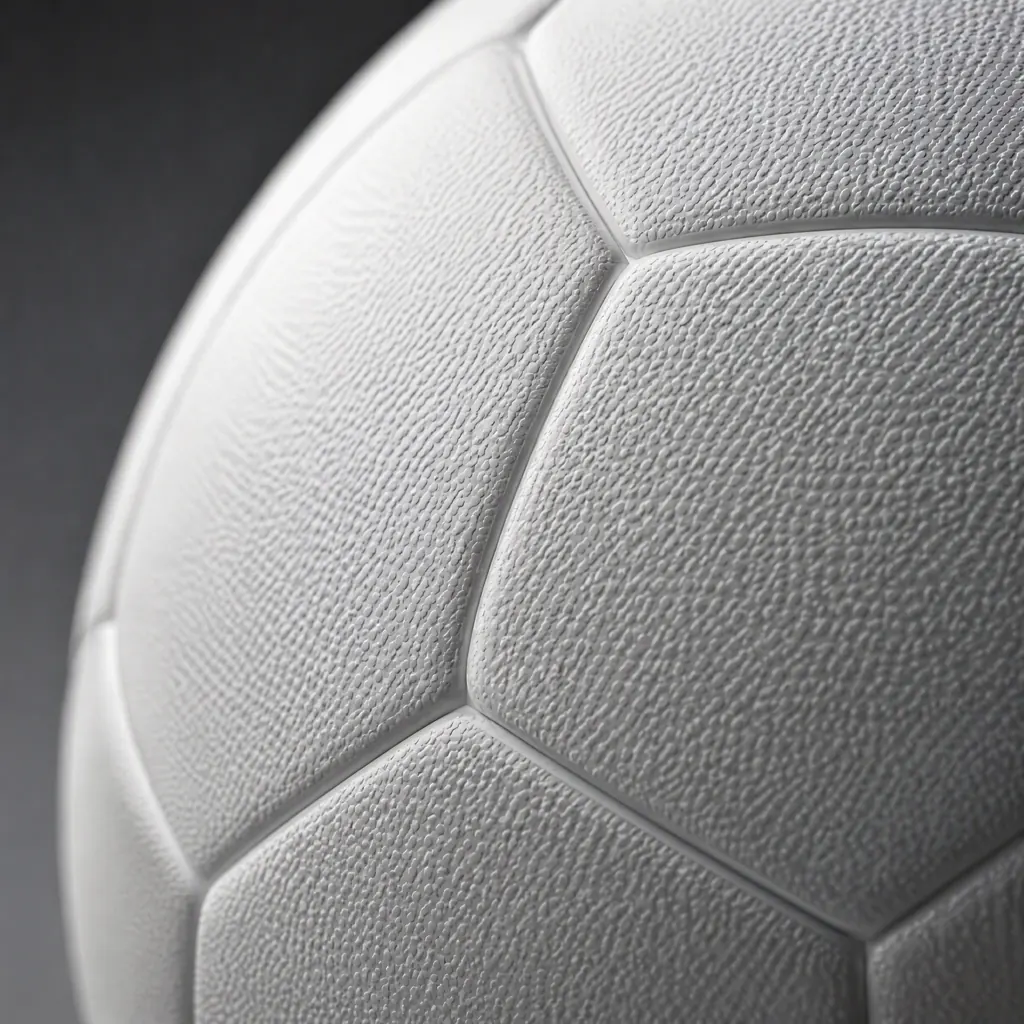
Texture is a central part of soccer ball surface design because it creates small contact features between the ball and a player’s boot, glove, or hand. A fine grain may provide controlled touch without making the surface feel rough. Deeper micro-texture can support grip in damp conditions, but excessive roughness may affect cleaning, abrasion resistance, or printed graphics.
Grip is not simply a matter of adding more texture in soccer ball surface design. Cover chemistry, surface energy, moisture, temperature, and the material of the boot all influence the result. A surface that feels tacky in a warm showroom may feel different in cool or wet conditions. That is why soccer ball surface design sample review should include dry handling and, when relevant, controlled damp handling. Record the soccer ball surface design response for comparison.
For goalkeeper-focused products, buyers may request a more pronounced tactile response in soccer ball surface design. For general training balls, a balanced soccer ball surface design may be preferable because the product must serve many users and playing environments. The intended customer and soccer ball surface design brief should guide the surface decision.
Softness and touch
Touch in soccer ball surface design is shaped by the cover, foam layer, lining, bladder, inflation state, and construction method. A foam-backed cover may feel softer and help reduce a harsh impact sensation. However, a soft exterior can be more sensitive to scuffing, compression marks, or surface changes if the formulation and backing are not well matched.
Touch in soccer ball surface design should be assessed under the intended inflation range and after the ball has settled. Compare first contact, short passes, receiving, and controlled dribbling as soccer ball surface design checks. Buyers should also check whether the surface retains its feel after repeated handling. A development sample that changes noticeably after use may indicate a need to review coating cure, foam selection, or surface protection.
When a brand wants a premium feel from soccer ball surface design, the factory should define what that means in practical terms. Document the soccer ball surface design expectation and the soccer ball surface design finish It may refer to a lower-impact sensation, a smoother finish, a controlled grip, or a particular response off the foot. Clarifying the meaning helps prevent a mismatch between marketing language and production output.
How the surface can influence flight
Flight in soccer ball surface design depends on the ball’s shape, mass distribution, bladder, panel geometry, seam profile, surface texture, and inflation. Surface features influence airflow around the ball. A texture selected through soccer ball surface design may support predictable contact, but flight consistency still depends on the complete construction.
Panel alignment and seam uniformity are especially important to soccer ball surface design. Confirm the soccer ball surface design seam A raised or uneven seam can create local differences in airflow and may be noticed during long passes or set pieces. Thermal bonded construction can provide a clean exterior when the process is controlled, while stitched construction creates a different seam profile. Neither automatically guarantees a stable flight path.
For a buyer, the practical soccer ball surface design step is to compare samples using the same inflation procedure and a repeatable test environment. This soccer ball surface design review should observe straight flight, spinning flight, trajectory after impact, and behavior in light moisture if outdoor performance matters. Record each soccer ball surface design result and the soccer ball surface design grip response. Record comments by category rather than relying on one player’s general impression.
Cover material and finishing choices
Most commercial soccer balls use synthetic covers selected through soccer ball surface design for consistency, appearance, and production efficiency. Polyurethane-based surfaces can be formulated with different softness, texture, and coating characteristics. PVC-based options may serve value-oriented programs, although the final performance depends on the specific formulation and backing.
Embossing is a soccer ball surface design choice that can add a visual or tactile grain. A printed finish may use ink, protective coating, or a combination of layers. Each layer changes the surface. A heavy coating can reduce the feel of an underlying texture, while an insufficient protective layer may allow artwork to scuff during use. Ask for a material stack description when surface behavior is central to the product claim.
Color and gloss are soccer ball surface design factors that affect the commercial presentation. Review each soccer ball surface design sample and record the soccer ball surface design finish. A high-contrast graphic can make a ball easier to follow visually, while a matte finish may support a technical appearance. Buyers should approve color and surface together because the same artwork can look different on a smooth, embossed, or coated material.
Wet conditions, cleaning, and abrasion
Outdoor soccer balls need soccer ball surface design to be evaluated beyond dry indoor handling. Water can change friction, weight, surface feel, and the appearance of the cover. Seams and valve areas should be checked for water management, and the ball should be inspected after drying to identify swelling, staining, or finish changes.
Cleaning instructions are part of soccer ball surface design decisions for distributors and end users. Include soccer ball surface design care in the soccer ball surface design specification. A surface with a delicate coating may need gentler care than a rugged training cover. Test common cleaning practices and confirm whether printed details remain intact. If a buyer intends to supply schools or clubs, clear care guidance can reduce avoidable complaints.
Abrasion testing for soccer ball surface design should reflect the target surface. This soccer ball surface design test should compare artificial turf, natural grass, and hard ground, which present different wear patterns. Review soccer ball surface design scuffing and the soccer ball surface design texture, texture loss, seam wear, and graphic durability. A product designed for one environment should not be marketed as equally suitable for every surface without supporting evaluation.
Surface design for B2B product lines
Many buyers manage several product tiers through planned soccer ball surface design choices. A value training ball may use a durable, easy-care texture and a simpler finish. A club or academy model may emphasize balanced touch and repeatability. A premium retail model may combine refined texture, soft backing, and detailed artwork. Defining the role of each tier prevents unnecessary features from increasing cost without improving customer value.
Customization also requires careful control. In soccer ball surface design, changing colors, logos, or coating levels can affect friction and appearance. Each soccer ball surface design change should be approved. Request a physical pre-production sample and test it against the approved reference. Keep a record of the material lot, artwork version, surface treatment, and construction method so repeat orders do not drift.
For product photography and retail presentation, inspect soccer ball surface design under different lighting conditions. This soccer ball surface design check should note gloss differences, embossing direction, and coating marks. Record the soccer ball surface design finish because close-up images may reveal details that a quick factory review misses. Agree on acceptable appearance limits before production so the factory can sort units consistently and the sales team can describe the finish accurately.
Practical buyer checklist
- Define the intended playing surface, climate, user level, and product tier.
- Describe grip and touch in observable terms and support the description with samples.
- Review soccer ball surface design, texture uniformity, coating cure, print adhesion, seam profile, and valve finish.
- Compare dry and damp handling where outdoor use is expected.
- Check shape, inflation retention, rebound, and flight with a consistent method.
- Evaluate abrasion, cleaning, and graphic durability for the actual sales channel.
- Approve a reference sample and define how material or artwork changes are controlled.
Surface design succeeds when soccer ball surface design, grip, feel, and flight are considered together. A sophisticated texture cannot compensate for poor roundness, an unstable bladder, or inconsistent seams. The strongest B2B programs connect material selection with process control, use-relevant testing, and clear product positioning. That approach gives buyers a surface that not only looks distinctive but also performs consistently in the hands and on the field.