
 EN
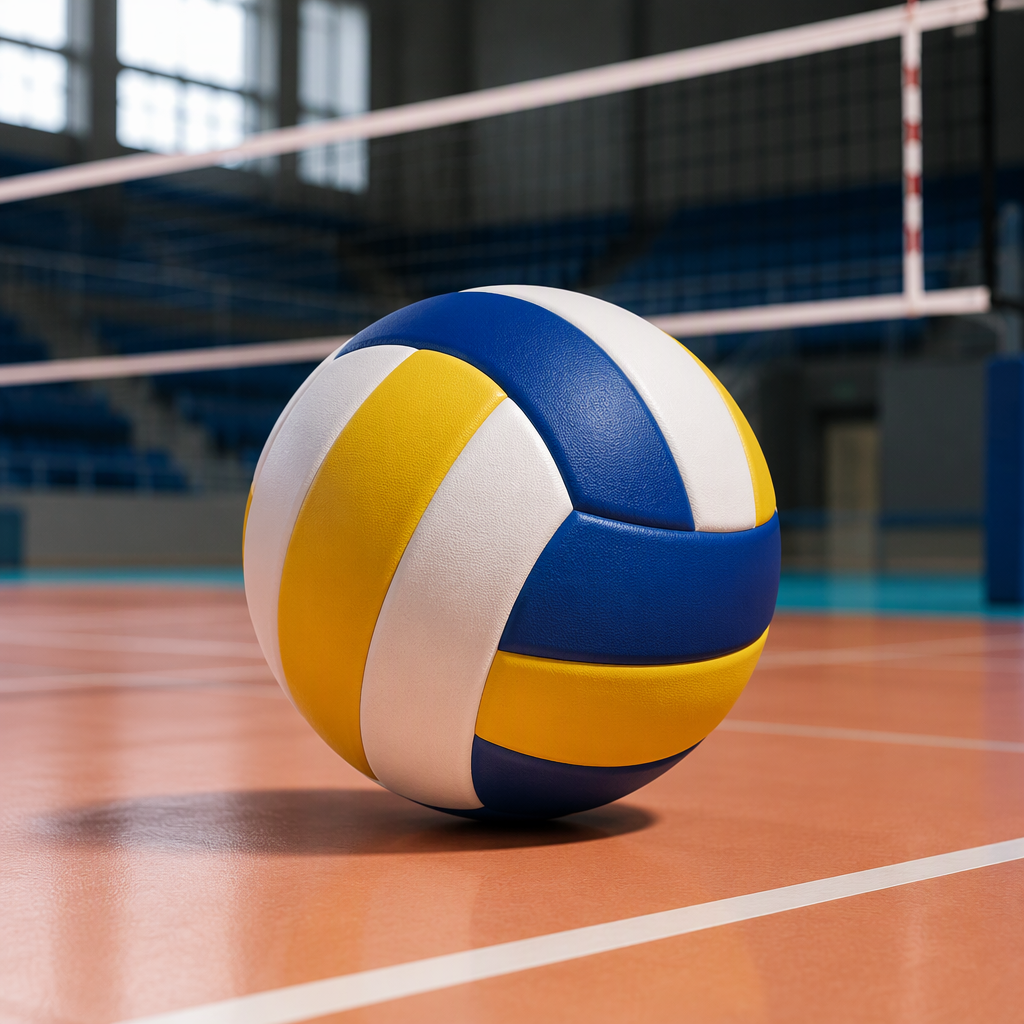
Volleyball Surface Finishes for Indoor Training
Volleyball surface finishes shape the first contact players feel when passing, setting, serving, and receiving. A competition ball may need a refined, predictable touch, while a school training ball must tolerate frequent handling, cleaning, and storage. Choosing volleyball surface finishes by appearance alone can lead to a ball that feels wrong or wears too quickly. B2B buyers should connect these volleyball surface finishes to court conditions, user level, and measurable durability requirements.
Define the playing program
Start with the main environment: sports hall, school gym, club training center, or mixed indoor use. Indoor floors are usually cleaner and less abrasive than outdoor courts, but volleyballs can still collect dust, sweat, and cleaning residue. Training programs may use the same balls for many sessions each week, while competition stock may be handled more carefully but judged more strictly for touch and visual uniformity.
Also identify the user. Younger players may benefit from a forgiving, soft-touch surface. Advanced players may expect a consistent friction level that supports precise control. The finish should fit the product’s intended pressure, construction, and price point.
How to evaluate volleyball surface finishes
Micro-textured synthetic leather
A micro-textured PU or synthetic leather finish can provide controlled friction without an aggressive pebble. It is useful for indoor training and competition-style models when the texture is uniform. Verify that the texture remains stable after repeated wiping and does not polish smooth in high-contact areas. Among volleyball surface finishes, this option should be checked for even texture across every panel.
Soft-touch foam-backed covers
Foam backing can reduce impact harshness and improve comfort for developing players. It may also make the ball feel slightly more cushioned during contact. Specify foam density, thickness, recovery, and resistance to delamination. The finish should be checked after stitching because compression at seams can create visible transitions.
Matte and low-glare finishes
Matte finishes reduce glare under strong gym lighting and can give the ball a professional appearance. They should be inspected for uniform sheen across panels. Some matte coatings attract dirt or show handling marks more readily, so cleaning tests are important.
Performance tests for a finished ball
Use a complete inflated ball, not just a flat swatch. Ask experienced players to compare samples using controlled passes and serves. Keep pressure, temperature, and court surface consistent. Record feedback about grip, softness, noise, rebound, and confidence during handling, then combine it with objective checks. Compare volleyball surface finishes on the complete ball rather than approving a flat material swatch.
Run abrasion and wiping cycles appropriate to the program. Inspect for texture loss, cracking, peeling, gloss change, color transfer, and exposed backing. For school orders, test the approved cleaning solution and drying process. For competition-oriented products, check whether repeated impact changes the feel or causes panels to become uneven.
Moisture and air-retention considerations
Indoor use does not eliminate moisture. Sweat, cleaning spray, and condensation from storage can affect some coatings and adhesives. Confirm that the finish does not become unusually slippery when damp. Inspect valve and seam areas because moisture can enter through weak points even when the surface itself is resistant. Volleyball surface finishes should be tested in both dry and damp handling conditions.
Surface finish should be evaluated with air retention and shape stability. A coating or backing change can alter weight or compression, which influences how players perceive the ball. Keep these specifications together when approving a new finish.
Inspection and visual standards
Set a master texture standard and define tolerances for gloss, pebble height, color, scratches, wrinkles, and coating coverage. Inspect incoming panels before assembly and completed balls after inflation. Pay attention to seams, panel corners, printing, and the area around the valve. Photos are helpful, but a physical master sample makes tactile comparison possible.
Production records should identify material batch, coating code, curing conditions, and inspection date. If the factory changes the film, coating, foam, or adhesive, request a new sample. Volleyball surface finishes can look similar while behaving differently under use. Record the approved volleyball surface finishes and their inspection results for each batch.
Cost and channel planning
A high-performance competition finish may not be necessary for every school or recreational program. Compare the likely replacement rate, cleaning demands, customer expectations, and selling price. A robust, easy-care finish can offer better value in high-volume training even if it is less luxurious to touch. Choose volleyball surface finishes that match the program instead of paying for features users will not need.
Ask suppliers to quote finish-related costs separately when possible. This reveals whether a price difference comes from the cover, coating, foam, inspection, or packaging. It also makes future specification changes easier to manage.
Conclusion
The best volleyball surface finishes provide the right combination of touch, grip, cleanability, appearance, and wear resistance for the intended program. Approve them on complete balls under realistic indoor conditions and document the finish code and test results. A disciplined selection process helps B2B buyers supply reliable volleyballs for both intensive training and demanding competition.
Questions for a supplier comparison
When comparing offers, ask each supplier to identify the finish code, base material, texture method, coating thickness, and expected service conditions. Request samples in the same color and pressure so the hand feel can be compared fairly. A clear finish description also prevents a factory from using a lower-cost substitute on a reorder. Buyers should record both player feedback and inspection findings, then select the option that delivers dependable volleyball surface finishes at the required commercial price.