
 EN
Choosing Soccer Ball Surface Treatments for Different Playing Environments
The right soccer ball surface treatments can improve grip, abrasion resistance, water behavior, and visual consistency, but no single finish is ideal for every market. A distributor selling indoor academy balls has different priorities from a wholesaler serving wet outdoor fields. Understanding soccer ball surface treatments helps B2B buyers specify a product that performs in its real environment instead of selecting a finish based only on color or hand feel.
Start with the use environment
Before comparing finishes, identify the playing surface, climate, user level, cleaning routine, and expected hours of use. Artificial turf can generate repeated abrasion in the same zones, while natural grass may expose the cover to moisture and mud. Indoor courts usually reduce weather exposure but can increase contact with hard flooring. Training centers may inflate and clean balls more often than occasional recreational users.
These conditions determine the balance between softness and toughness. A highly cushioned surface may create a pleasant touch but require protection against scuffing. A hard-wearing coating may extend service life but feel less forgiving. Soccer ball surface treatments should therefore be approved with performance goals and not as isolated cosmetic options.
Common treatment approaches
Textured polyurethane finishes
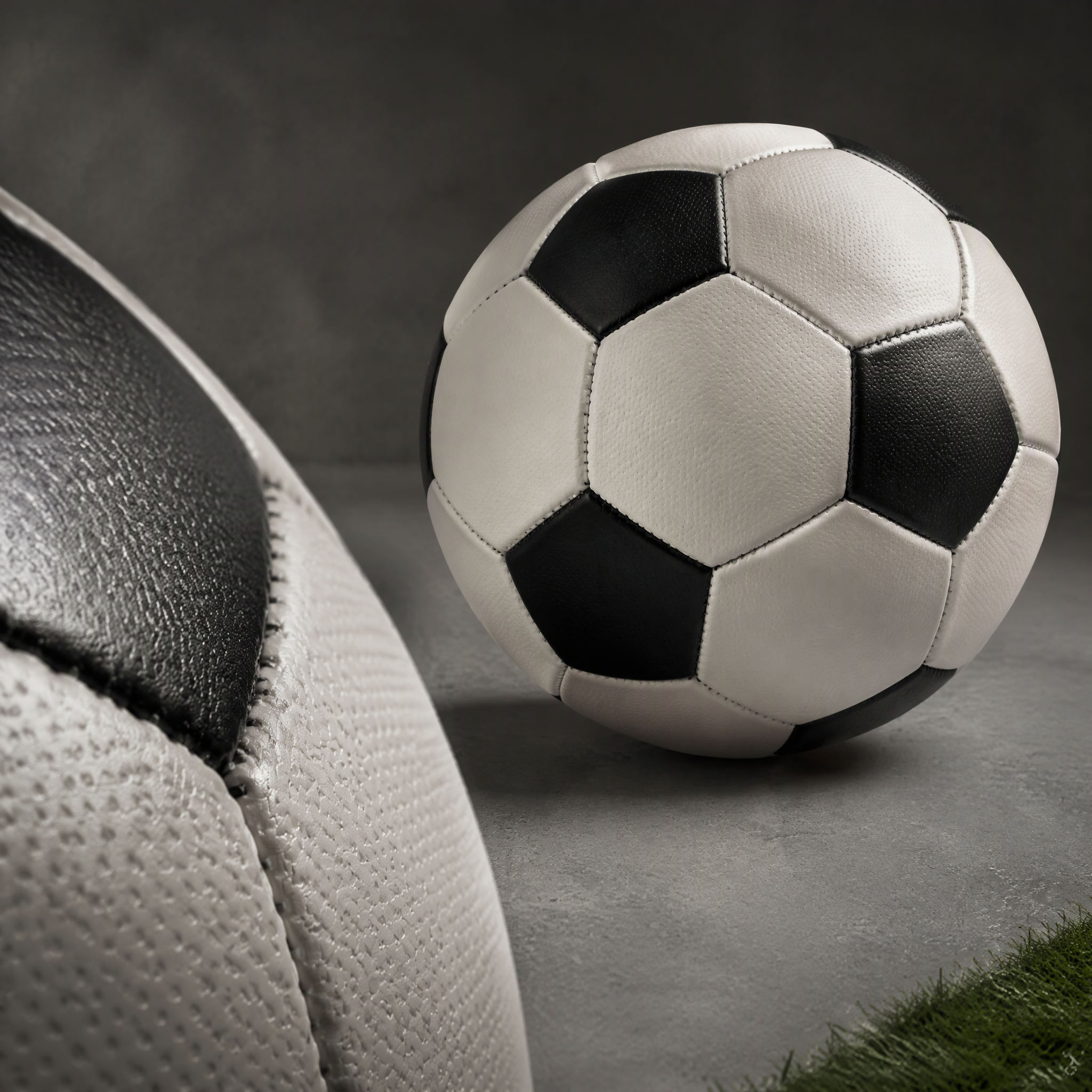
Textured polyurethane can create controlled friction and improve handling in many training applications. The texture depth must be consistent across panels; an uneven pattern can change touch and create visual shade variation. Ask the factory to control coating weight, curing time, and the relationship between texture and printed graphics.
Foam-backed or cushioned covers
A foam layer beneath the outer film can soften impact and make the ball comfortable for developing players. It may also change how the ball compresses during stitching and inflation. The supplier should confirm foam density, thickness tolerance, recovery after compression, and resistance to delamination. A sample that feels good on day one should still be checked after repeated impact.
Protective and water-resistant coatings
Outdoor buyers may need a finish that limits water absorption and keeps the cover stable in damp conditions. Water resistance is not the same as making a ball waterproof. Seams, valve areas, and cut edges can still allow moisture to enter. Test the complete finished ball with a repeatable spray or immersion method that reflects the intended claim.
Matte, gloss, and anti-scuff finishes
Gloss can make colors appear vivid, while matte surfaces can reduce glare and create a premium appearance. Anti-scuff additives may protect branding and reduce visible marks, but they should be checked for compatibility with printing and cleaning chemicals. A buyer should request side-by-side panels or balls so that appearance can be judged under the same light.
Testing soccer ball surface treatments
Use a test plan that combines physical performance with appearance. Measure weight, circumference, rebound, air retention, and shape before and after the chosen abrasion cycles. Inspect for cracking, peeling, color transfer, gloss change, and loss of texture. If the ball will be used outdoors, include moisture exposure and drying cycles. Testing only a flat material swatch may miss the stress created when treated panels are stretched over a sphere.
Cleaning tests are also valuable for schools and rental programs. Apply the approved cleaning solution and wiping method to a defined area, then inspect the coating and print. Some soccer ball surface treatments soften or change sheen when exposed to strong detergents. Put cleaning instructions on the product specification so that the end user does not unintentionally reduce service life.
Matching finish to channel and price
Channel expectations should guide the specification. A budget training program may value durability, easy cleaning, and stable supply more than an elaborate hand-finished texture. A specialty retailer may require a distinctive surface and a premium touch. The finish should support the product story without forcing a cost that the market cannot absorb.
When comparing quotes, ask whether treatment cost includes the base material, foam, coating, curing, testing, and possible color adjustments. A low price may reflect a thinner coating or fewer process controls. Request production samples in the final color because pigmentation can change the visual appearance and friction of soccer ball surface treatments.
Managing repeat-order consistency
Record the finish code, material supplier, texture reference, coating weight, curing conditions, and approved visual standard. Keep an untouched golden sample and a used sample that shows acceptable wear. For repeat orders, confirm that the factory has not changed the film, foam, adhesive, or printing process. Even a small raw-material change can alter feel and durability.
Include clear defect limits for peeling, exposed base cloth, deep scuffing, gloss variation, and color mismatch. Photographs help, but physical standards are better for judging texture. A pre-shipment inspection should sample several cartons and several production times rather than checking only one early batch.
Conclusion
Effective soccer ball surface treatments are selected by environment, user expectations, and measurable service-life goals. Compare texture, cushioning, water behavior, scuff resistance, print compatibility, and cleaning performance on finished balls. By documenting the finish and validating it under realistic conditions, B2B buyers can choose a soccer ball that feels right, lasts longer, and remains consistent on repeat orders.