
 EN
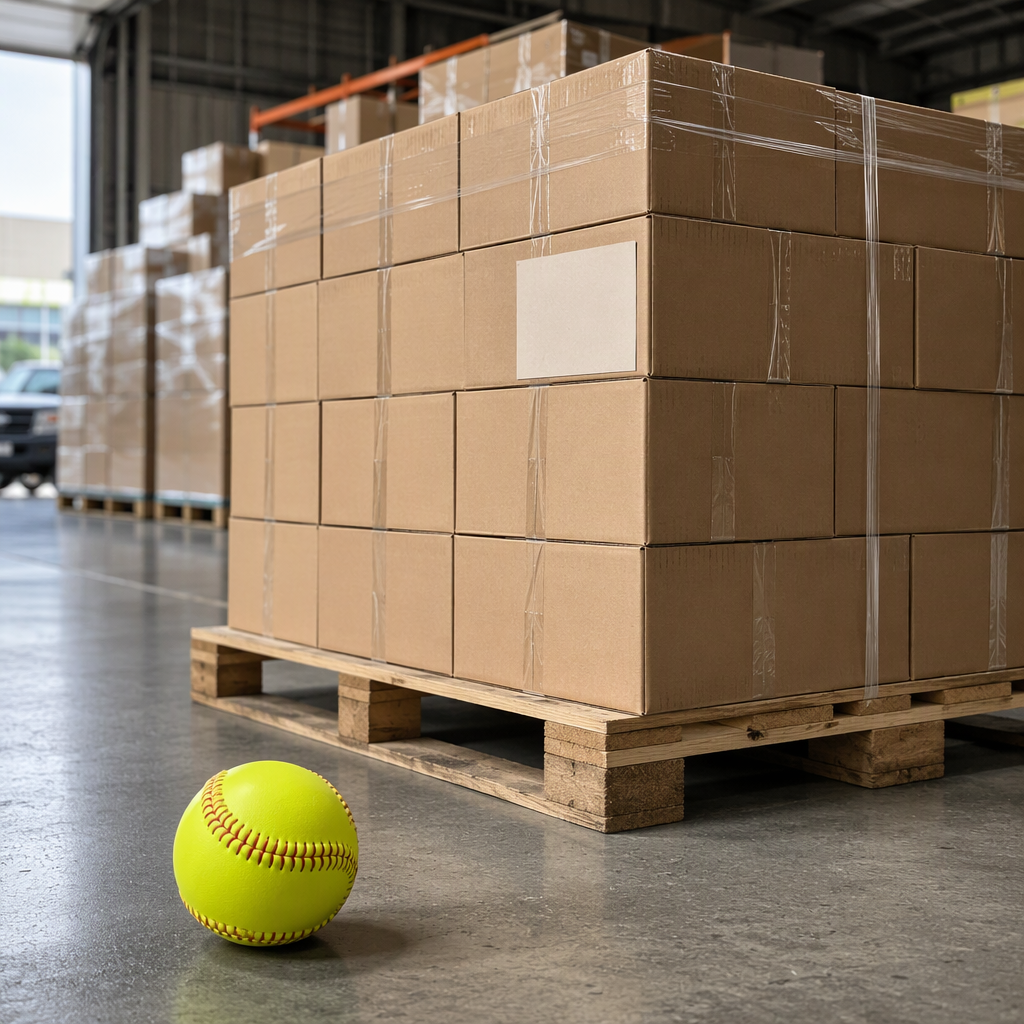
Export Softball Packaging: Moisture Control, Cartons, and Batch Labels
Export softball packaging must protect the cover and stitching, keep cartons dry, and make every batch easy to identify. A shipment can leave the factory in perfect condition yet arrive with wet boxes, mixed colors, missing quantities, or unreadable labels if logistics are not specified in advance. For B2B buyers, export softball packaging should be approved with the product, route, storage environment, and receiving process in mind.
Plan around the route and customer
Confirm destination, transport mode, container type, handling points, climate, storage duration, and final channel. A school order may be delivered in large cartons to one warehouse, while retail cartons may be opened, scanned, and redistributed. An LCL shipment typically needs more protection from repeated handling than a full container load.
Decide whether balls are packed in retail boxes, dozens, polybags, or loose master cartons. The arrangement affects count accuracy, carton strength, and the ease of separating batch lots. Keep the unit configuration stable unless the buyer approves a change.
Carton design and moisture protection
Specify carton size, board grade, flute, edge strength, closure, tape, and printing. Cartons should hold the intended quantity without excessive movement or compression. Inner dividers or clean separators can protect decorated covers, but they should not create sharp contact points.
Humidity is a major risk in ocean freight and tropical storage. Use clean, dry cartons and keep them off wet floors. Depending on the route, a moisture barrier or desiccant may help, but it should be treated as part of a documented plan. Inspect container roofs, walls, floors, and odor before loading; packaging cannot compensate for a leaking or contaminated container.
Batch labels and traceability
Each master carton should show purchase order, product code, model, color, size, quantity, batch or lot number, carton number, gross and net weight, dimensions, origin, and required handling marks. Barcodes should be readable after packing and should not cross tape or carton seams.
The batch number should connect the carton to production date, material lots, inspection results, and shipment documents. Mixed cartons need an explicit contents list. A clear label helps a distributor isolate a quality issue without holding every softball in stock.
Counting and final inspection
Count the actual units during packing and verify carton weights where appropriate. Weight checks can reveal a missing ball but may not identify a wrong model when products have different materials. Inspect cartons for crushed corners, wet marks, open closures, stains, and incorrect labels.
Sample balls from different cartons and production times. Check cover, seams, color, logos, weight, circumference, and surface condition. If the product includes a soft or printed finish, inspect for blocking and rub marks after the selected packaging period.
Loading and shipment records
Use an approved pallet pattern and avoid contact between cartons and exposed container metal. Heavy loads should be supported below lighter cartons. Brace the final row when required and confirm that doors close without crushing the stack. Record container number, seal number, carton count, pallet count, and loading date.
Photograph the dry container before loading, the carton labels, the pallet pattern, and the sealed doors. These simple records make claims easier to investigate and help the next shipment follow the same method.
Testing export softball packaging
Run compression, drop, vibration, or handling tests appropriate to the shipment. Use final cartons, labels, inner packs, and the actual unit count. Inspect softball covers and stitching afterward for scuffs, compression marks, moisture damage, and deformation. A blank-carton test cannot show friction caused by the finished balls.
Repeat-order controls
Keep packaging drawings, label artwork, board specification, moisture plan, pallet pattern, and inspection checklist under version control. Review the package if the ball, cover, quantity, route, or storage environment changes. A new carton supplier should provide a loaded sample before mass production.
Planning for seasonal storage
Many softball programs receive stock before the playing season and store it for several months. Confirm the recommended temperature, humidity, stacking height, and protection from direct sunlight. Inspect a stored sample before distribution for cover blocking, carton compression, color change, or moisture odor. Adding storage guidance to export softball packaging helps the buyer protect product quality after international delivery, not only during the voyage.
Conclusion
Effective export softball packaging combines dry handling, strong cartons, clear batch labels, controlled counts, and documented loading. Approve and test the complete pack before shipment, then preserve the records for reorders. This reduces moisture claims, receiving errors, and traceability gaps while helping B2B buyers deliver a consistent softball program across international markets.
Warehouse receiving after delivery
Ask the receiving team to inspect the container, carton labels, moisture condition, and batch numbers before stock is put away. Photograph any wet marks, crushed corners, or mismatched quantities and compare them with loading photographs. Keep questionable cartons separate until the buyer confirms the product condition. These records help distinguish a factory packing issue from a transit event and improve the next packaging review. They also ensure that export softball packaging remains traceable long after the seal is removed.